
How to Prepare for, Survive, and Recover from an Emergency in Ghana
Simple steps for everyone — including kids, older adults, and people with illnesses
Emergencies — whether floods, storms, fire, disease outbreaks, or infrastructure failures — can strike suddenly. While Ghana faces real challenges, evidence shows that individuals, families, and communities can take concrete steps to prepare, act, and recover. This guide uses an easy, memorable path: Before — During — After, with special tips for vulnerable members.
Before: Get Ready Before Disaster Hits
Preparation is your best defense.
1) Know your risks & early warnings
- Common hazards in Ghana include floods, heavy rains, landslides, and coastal erosion.
- Stronger social capital (neighbors who trust and help each other) improves disaster response.
- Connect to local early warning systems: radio, SMS, community leaders, and NADMO announcements.
Tip: Keep a small battery or solar radio, and subscribe to local alert messages.
2) Build a family emergency plan
- Choose safe meeting points (one inside and one outside your home).
- Assign roles: who checks on whom, who carries supplies, who ensures children are safe.
- Practice quick “mock drills” and walk your evacuation routes to reduce hesitation.
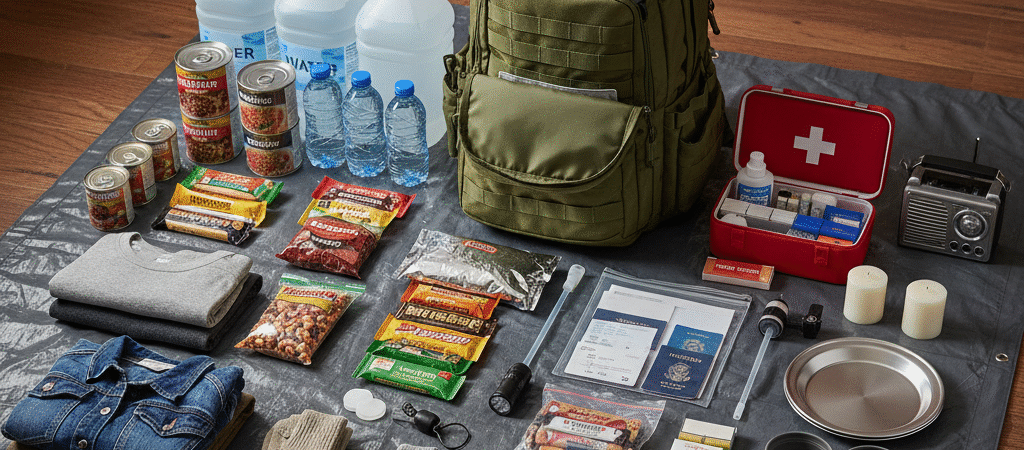
3) Pack a “go bag”
This is a bag you can grab quickly. Include:
| Item | Purpose |
|---|---|
| Water (≈ 3 litres per person for 3 days) | Hydration |
| Non-perishable food / biscuits | Nutrition |
| First-aid kit + prescribed medicines | Health needs |
| Flashlight, spare batteries, headlamp | Light during outages |
| Whistle, face masks, gloves | Signaling & protection |
| Copies of IDs & medical records (waterproof bag) | Faster recovery/aid |
| Cloth, blanket, warm clothing | Comfort & warmth |
| Baby supplies (diapers, formula) | For infants |
| Extra glasses, hearing aids, mobility aids | Accessibility |
| Printed contact list (family, neighbors, local authority) | Communication backup |
Extra for older adults / chronically ill: pack additional medication, dosage notes, and doctor contacts.
4) Strengthen home & community
- Clear drains and gutters to reduce flood risk.
- Secure roofs and loose sheets; reinforce weak walls where possible.
- Keep escape paths clear; maintain access roads with neighbors.
- Mobilize faith-based and community groups for readiness activities and mutual aid.
During: What to Do Once Disaster Strikes
1) Stay informed & act fast
- Listen for official warnings (radio, SMS, community announcements).
- If evacuation is advised, leave promptly. Delays are dangerous.
- Take your go-bag and prioritize children, older adults, and the sick.
2) Evacuate carefully
- Use the safest routes; avoid fast-moving water and damaged structures.
- Plan extra time for children and older adults; move together in small groups.
- Ask neighbors/volunteers for help if anyone has mobility or health issues.
- If someone is injured, provide first aid and call for help; avoid moving them unless necessary.
3) If you must shelter in place
- Choose the safest room/area away from windows; use sturdy furniture if needed.
- Keep your group together; keep children close and older adults secure.
- Use battery lights; conserve phone power for emergencies.
- Monitor health, especially for breathing or heart conditions.
After: Recovering in the Days and Weeks Ahead
1) Re-entry & safety
- Return home only when authorities say it’s safe.
- Check for structural damage, gas/electrical hazards, and debris.
- Photograph losses for insurance or aid requests.
2) Health & emotional support
- Children: reassure, listen, and restore routines (meals/sleep/play).
- Sick/chronically ill: review prescriptions; seek care if symptoms change.
- Older adults: assist with mobility, nutrition, hydration, and rest.
- Seek counseling or community support groups if stress or trauma persists.
3) Rebuild & strengthen
- Repair with safer designs (elevated platforms, improved drainage).
- Share tools and labor with neighbors; restore paths and access points.
- Coordinate with local authorities (e.g., NADMO) for relief and rehabilitation.
- Write down lessons learned and update your family plan and go-bag.
Easy Memory Aid: The “3-P” Approach
Remember the 3-P to guide your actions:
- Prepare (Before)
- Protect (During)
- Persist / Pick up (After)
Chant for kids & elders: “Plan Well, Act Swift, Rebuild Strong.”
Special Focus: Children, Older Adults & People with Illnesses
- Children: assign simple roles (hold hands, carry a small torch), practice drills to reduce fear, keep ID info in a pocket.
- Older adults: sleep on ground level if possible; keep mobility aids within reach; assign a family helper for evacuation.
- Sick/chronically ill: pack extra medicines; keep a written health summary (conditions, medication, dosage, doctor); designate a “health buddy.”
Challenges in Ghana — and Practical Workarounds
- Limited resources: start small (clear gutters, fix roof leaks, build the go-bag over time).
- Informal settlements & weak drainage: organize community clean-ups; lobby local authorities/NGOs for improvements.
- Awareness gaps: use chiefs, religious leaders, schools, and youth groups to spread knowledge.
- Healthcare capacity: learn basic first aid; coordinate with nearby clinics; keep prescriptions current.