
Imagine coming across a video of a well-known figure saying something shocking. It looks and sounds real — but it might be a digital fake. We live in a time where deepfakes and disinformation are on the rise, changing how we consume and trust information. In this friendly guide, we’ll explain what these terms mean, share real examples (including from Ghana), show how they impact our trust, and give easy tips to avoid being fooled.
What Are Deepfakes and Disinformation?
Deepfakes are a new kind of digital trickery. The word deepfake comes from “deep learning” (a type of AI) and fake. It refers to videos, images, or audio created or altered using artificial intelligence to look genuine.
In simple terms, a deepfake can make anyone appear to say or do something they never did, with very realistic results. For instance, by utilizing AI, someone could capture a video of a celebrity or politician, then manipulate their face or voice to convey a false message, making it appear almost real.
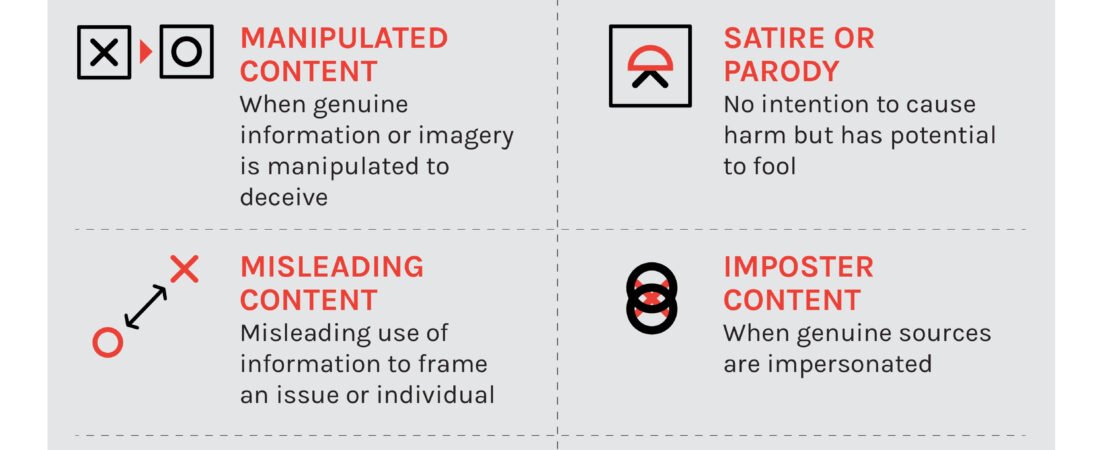
Disinformation, on the other hand, means false information spread deliberately to mislead people. It’s a broader term; disinformation can be completely made-up stories, rumors, or even deepfake videos, thus anything shared with the intent to deceive.
Deepfakes have become a powerful disinformation tool because they exploit the old idea that “seeing is believing.” When we see a video of someone saying something, we usually trust what they’re saying. Deepfakes take advantage of that trust by using technology to create “proof” that isn’t real.
Real-Life Fake Videos: From Ghana to the World
Deepfakes might sound like science fiction, but they’re already causing real-world confusion. Let’s look at a few examples:
Campaign Video
During Ghana’s 2024 election season, a video went viral showing politician Dr. Matthew Opoku Prempeh allegedly promising to allow illegal mining to continue. People were stunned; environmental activists were alarmed. But the politician’s team claimed the video was fake — doctored by opponents.
Experts later found no evidence of AI manipulation; it was authentic footage. This case demonstrated how the concept of deepfakes can be leveraged to undermine genuine proof.
Deepfakes in War: Ukraine Example
During Russia’s 2022 invasion of Ukraine, a fake video circulated showing President Volodymyr Zelensky telling soldiers to surrender. It was quickly debunked — the voice and visuals didn’t match — but it showed how deepfakes can be used to spread confusion during crises.
Fake Personas and Subtle Manipulation
In West Africa, deepfakes have also been used to boost or discredit political figures. After Burkina Faso’s 2022 coup, fake videos appeared showing Captain Ibrahim Traoré confidently addressing global leaders, clips designed to shape his public image.
In Ghana, investigators even discovered an AI-generated fake journalist with social media profiles and a website created solely to spread false political stories.
These examples prove that deepfakes and disinformation can appear anywhere — from election campaigns and wars to everyday social media posts.
Why Deepfakes Are a Big Deal
The rise of deepfakes is changing how people decide what to believe. For centuries, photos and videos were seen as solid proof of reality. Now, technology can create convincing fakes that challenge that trust.
This creates what experts call an “information disorder,” a state where false and true information mix, leaving people uncertain about what to believe.
That’s dangerous because:
- Some people believe the fake videos.
- Others dismiss genuine evidence as “fake news.”
Both outcomes erode public trust and complicate societal agreement on facts.
Disinformation can sway voters, fuel social tension, and erode confidence in public institutions — especially during elections. As making fakes becomes easier, the threat is likely to grow.
How to Protect Yourself from Deepfakes and Misinformation
Here are simple, practical tips anyone can use:
- Double-check the source.
Pause before believing or sharing. See if reliable media outlets or official pages are reporting the same thing. If not, be skeptical. - Think twice when emotions run high.
Fake content often tries to make us angry or afraid, which is why we share it quickly.
If something seems too shocking, take a breath and ask: Is this credible? - Watch for tell-tale signs.
Deepfakes sometimes show odd lip movements, strange lighting, or robotic voices. Trust your instincts if something looks off. - When in doubt, don’t spread it.
Avoid forwarding or reposting anything you’re unsure about. Check trusted fact-checking websites or official social pages first.
Staying Informed in the Deepfake Era
Deepfakes and disinformation are a serious challenge — but we’re not powerless.
By staying alert, thinking critically, and verifying before sharing, we can keep truth alive in the digital age.
In short: pause, check, and think before you share.
The truth is still out there; we have to take a little extra care to find it.
Sources
- Africa vs. Deepfakes: The New Frontline in Digital Disinformation — We Are Tech
- AI, Disinformation and the Battle for Truth: Ghana’s 2024 Elections — WITNESS Blog
- Deepfake Footage Purports to Show Ukrainian President Capitulating — Reuters
- Deepfakes Help Spread False Information in Africa — Africa Defense Forum
- Combating AI-Driven Misinformation/Disinformation — KPMG Ghana