

The Ghanaian Criminal Justice System: An Expert Analysis
Pan-African Institute for Strategic Studies (PAISS – Ghana)
Abstract
This report provides a comprehensive analysis of Ghana’s criminal justice system—its constitutional foundations, key institutions (police, courts, prisons), criminal procedure (arrest, bail, trial, evidence, sentencing), human rights safeguards, and recent reforms including plea bargaining (Act 1079), drug policy changes, and the abolition of the death penalty for ordinary crimes. It highlights persistent challenges such as overcrowding, pretrial detention delays, accountability gaps, and resource constraints, and outlines policy options to strengthen fairness, efficiency, and public trust.
Key Highlights
- Dual legal heritage: English common law + customary law shape institutions and procedure.
- Courts hierarchy: Supreme Court, Court of Appeal, High Court, Circuit & District Courts; specialized divisions for human rights, commercial matters, and juveniles.
- Police: Centralized command under the IGP; CID, DOVVSU, MTTD and other specialized units.
- Procedure: Constitutional rights at arrest; 48-hour rule; bail principles; adversarial trials; Evidence Act standards.
- Reform momentum: Plea bargaining introduced; community sentencing proposed; case-tracking system deployment; death penalty abolished for ordinary crimes.
- Human rights concerns: Overcrowding, sanitation and healthcare gaps, lengthy remand, and accountability deficits.
- Policy levers: Non-custodial sentences, legal aid expansion, oversight strengthening, investment in training and corrections.
“Recent reforms—especially plea bargaining and abolition of the death penalty for ordinary crimes—signal a meaningful shift toward a more efficient and humane system.”

Institutions & Oversight
Inspector-General led Police Service; judicial hierarchy; internal & external oversight bodies; training and resource constraints remain critical.

Process & Rights
Arrest with/without warrant; right to counsel; 48-hour rule; bail standards; adversarial trial; evidence admissibility under the Evidence Act.

Corrections & Rehabilitation
Overcrowding drives harsh conditions; vocational training and education exist but are under-resourced; policy shift toward non-custodial options.
The Galamsey Nexus: Deconstructing Ghana’s Illegal Mining Crisis
Pan-African Institute for Strategic Studies (PAISS – Ghana)
Abstract
Illegal artisanal and small-scale gold mining (galamsey) has evolved into a mechanized, criminally entangled enterprise that threatens Ghana’s ecology, public health, economy, and state authority. Roughly one million people are directly involved, with annual state revenue losses exceeding US$2 billion. Over 60% of major river bodies are severely polluted with heavy metals (mercury, arsenic), while forests and cocoa lands—especially in Western and Ashanti—face catastrophic degradation. Past crackdowns and formalization schemes have yielded limited results due to weak enforcement and elite patronage networks. A viable response requires a multi-pronged strategy combining targeted emergency actions, systemic governance reforms, and long-term economic diversification.

Scale & stakes
~1M people engaged; >US$2B annual losses; 30–40% of national gold output tied to informal/illegal flows.

Environmental toll
>60% of water bodies in mining areas heavily polluted; widespread deforestation and unreclaimed pits.
Public health
Mercury exposure, respiratory disease, accidents; elevated risks for women and children in mining zones.

Policy failures
Minerals & Mining Act undermined by weak enforcement; militarized crackdowns treat symptoms, not networks.

Political economy
Corruption, elite patronage, and foreign capital/machinery drive persistence and scale.

Path forward
Targeted emergency actions + tech surveillance (satellite/drones), systemic legal reforms, and real livelihood alternatives.
“No single option is a panacea. Success hinges on dismantling corrupt networks and sustaining political will to reclaim Ghana’s rivers, forests, and future.”
Ghana’s Cybersecurity Paradox: Policy Leadership vs. Pervasive Threats
Pan-African Institute for Strategic Studies (PAISS – Ghana)
Abstract
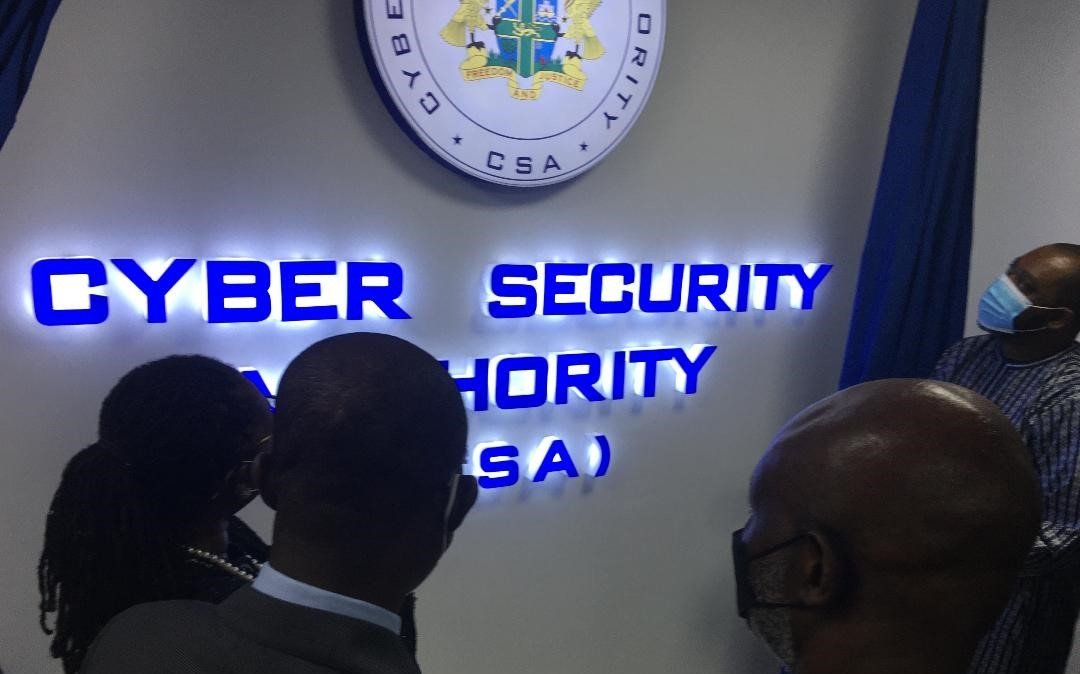
Ghana ranks among Africa’s leaders in cybersecurity readiness—backed by the Cybersecurity Act, 2020 (Act 1038), a strong Cyber Security Authority (CSA), and top-tier performance on global indices. Yet financial losses and incident volumes continue to rise, driven by fraud in the mobile money ecosystem, sophisticated attacks (DDoS, ransomware, supply-chain), and emerging risks like AI-driven deepfakes. This summary explains the paradox, sector-by-sector resilience and vulnerabilities, and actionable recommendations for government, telcos, financial institutions, SMEs, and the public.
Key Highlights
- Global standing: Ghana attains top-tier status on the ITU Global Cybersecurity Index; CSA operationalizes national policy and licensing regimes.
- The paradox: World-class frameworks coexist with rising domestic cybercrime—losses in the tens of millions of Ghana cedis, and increasing incident volumes.
- Threats evolving: From classic cyberfraud and SIM-swap to ransomware, DDoS on carriers, supply-chain compromises, and deepfake-enabled scams.
- Two-tier ecosystem: Financial sector shows strong resilience (directive-led, SOCs, FICSOC) while health and SME sectors remain vulnerable.
- What’s next: Specialized cybercrime courts, expansion of sectoral CERTs, and a national AI governance strategy/bill.

Policy & Institutions
Cybersecurity Act (Act 1038); CSA with regulatory powers; national & sectoral CERTs; annual awareness month; licensing of providers/professionals.
Threat Landscape
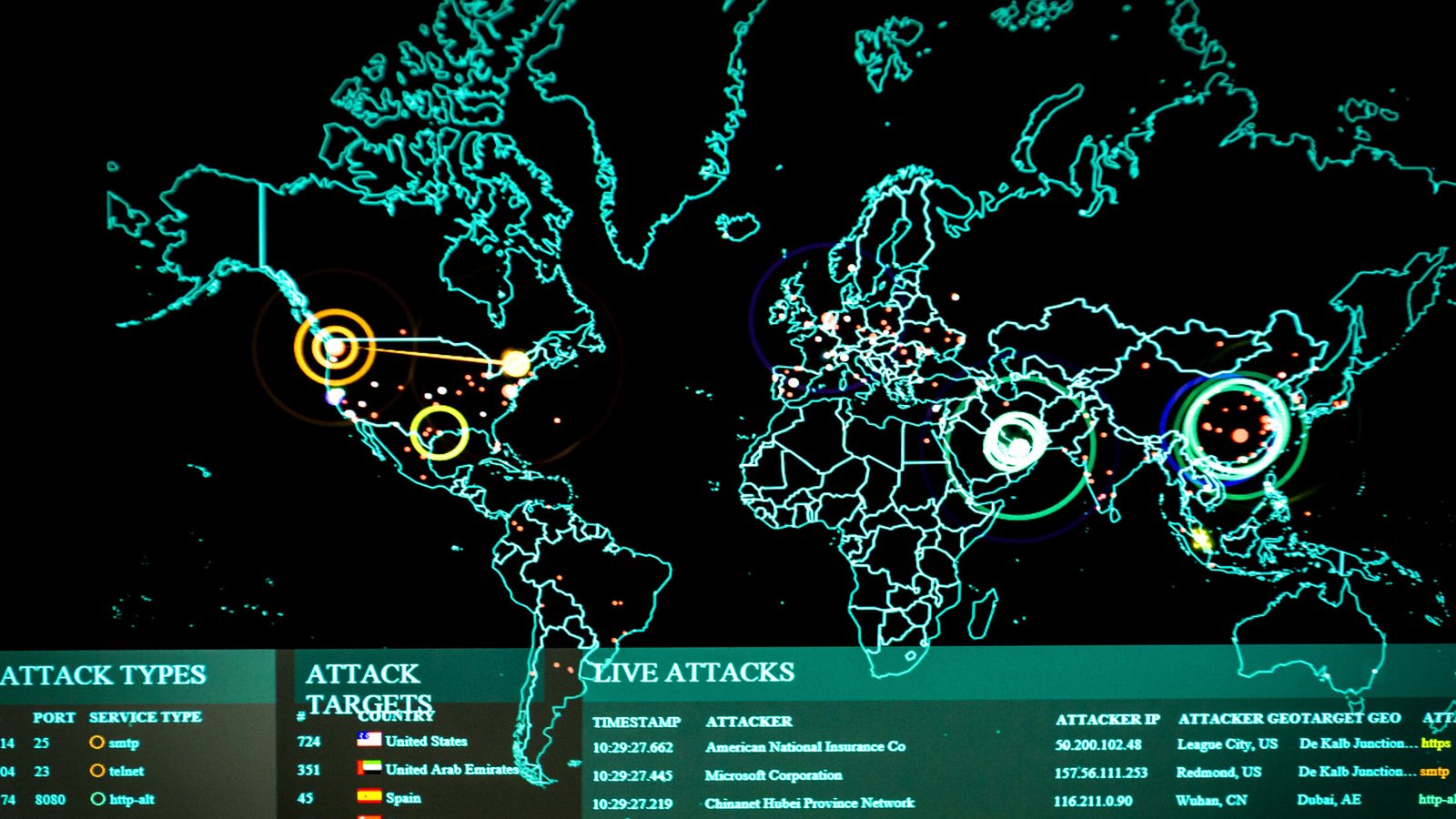
Cyberfraud dominates financial losses; mobile-money exploits and SIM-swap; DDoS against ISPs; ransomware & supply-chain attacks; deepfake-enabled scams.
Sector Maturity
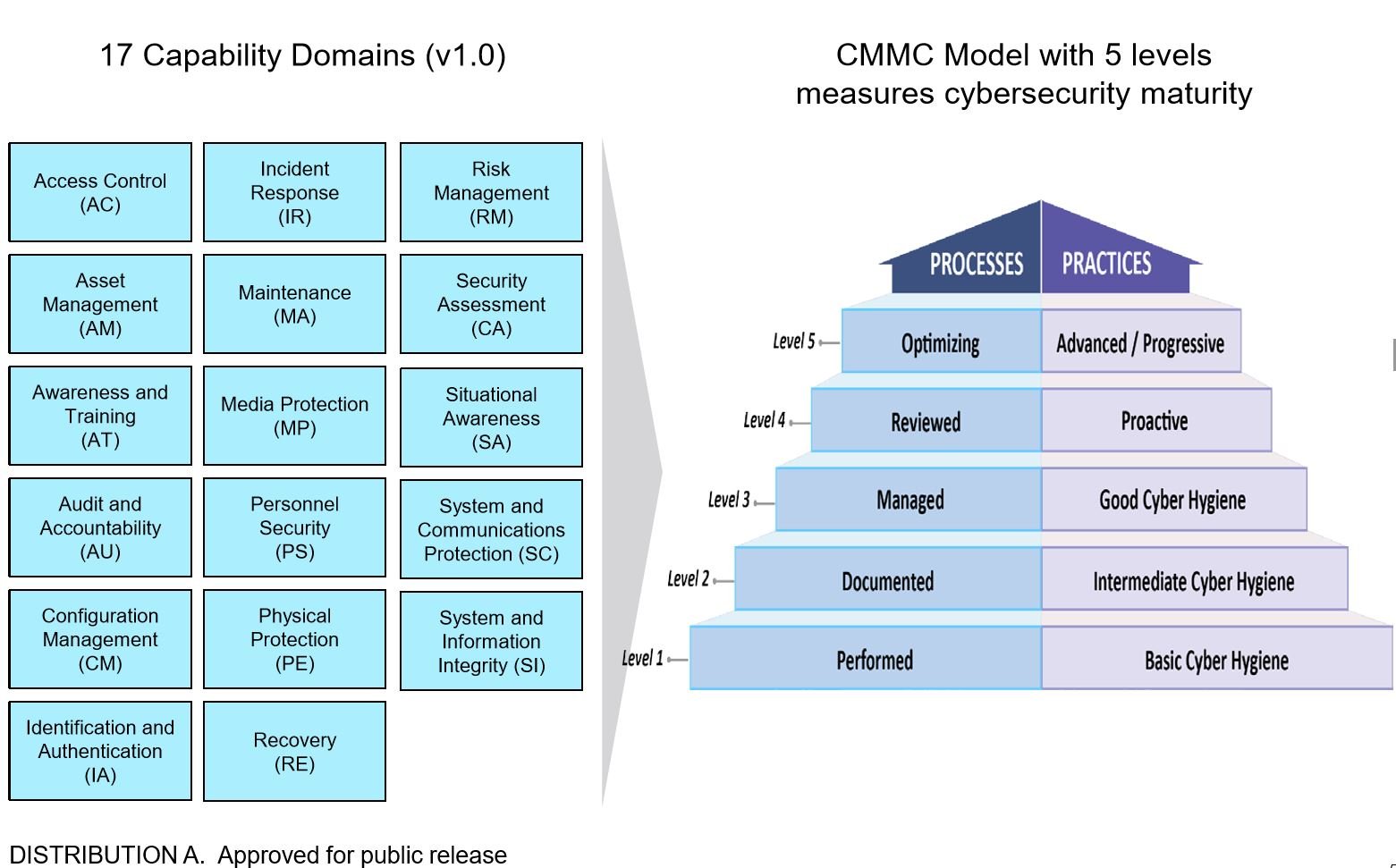
Finance is proactive (BoG directive, SOCs, FICSOC). Healthcare & SMEs show low maturity, widening national risk via supply-chain weak points.
“Ghana’s challenge is not policy design—but turning world-class frameworks into everyday security outcomes across every sector.”
Snapshot Recommendations
- Enforcement first: Scale CSA audits and penalties for non-compliance across all designated critical infrastructure.
- Replicate BoG model: Sector-specific, binding directives for healthcare, energy, and telecoms; expand sectoral CERT coverage.
- Talent pipeline: University–industry programs, paid internships, and labs to curb skills gaps and brain drain.
- Continuous awareness: Move beyond annual campaigns to targeted, mobile-first education in local languages.
- Judicial capacity: Stand-up cybercrime courts; upskill investigators, prosecutors, and judges on digital evidence.